Forested Wetland Studies: Atlantic White Cedars, Peat Geology and Roots
Massachusetts has invested in restoring and protecting its wetlands, most recently by creating a cranberry bog program prioritize restoration in these places where the hydrology and geology are already optimal for wetlands. Many of these restoration projects were formerly Atlantic White Cedar (AWC) swamps.
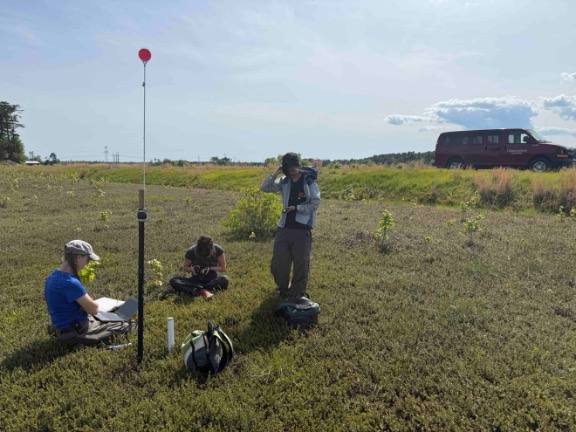
The independent study student(s) will assist with ongoing research on several southeastern Massachusetts sites encompassed by the Hydrologic Understory: Groundwater flowpaths, surface water mixing, underground thermal regimes and soil moisture monitoring - the interconnected web of hydrology and ecology beneath the surface. We will quantify the ecohydrology of current AWC habitats by making hydrology and plant community habitat measurements in the field in inland and coastal swamps.
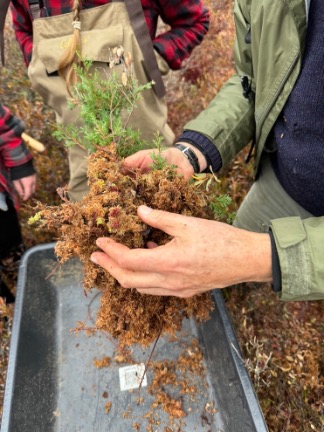
Students will assist with laboratory methods and analysis such as charcoal counting (to establish fire frequency and intensity back 10,000+ years) and assessment of micorrhyzae from living AWC roots. Students can also assist with hydrologic monitoring of existing restoration sites and preparation of reports for Mass DER. Background on Living Observatory collaborative projects can be found here (https://projects.livingobservatory.org/projects). The student researcher should expect to take at least one, and possibly two trips to the site during the semester (lodging is provided).
The Hatch Lab (Morrill Science Center & Fieldwork)
Why participate in this opportunity?
This flexible independent study project allows students to participate in a multi-faceted larger, long-term study. Students will select a component of the project that is of particular interest to them, and while working on that piece, contribute to team measurements and the larger research project. Group fieldtrips (and adventures) to field sites will provide the opportunity for students to learn many different techniques. Students can choose 1, 2, or 3 credits (an average of 3, 6, or 9 hours per week), to participate on a volunteer basis, receive practicum/ praxis credits (for the Environmental Science or other major requirements), or in some cases to be paid hourly for research assistance (particularly during the summer, or as part of the LeeSIP or CAFE Summer Scholars programs).
2 sp. | 12 appl.
Time commitment
1-4 h/wk(+2)
1-4 h/wk5-7 h/wk8-10 h/wk
Field(s) of Study
Plant and Soil Science(+6)
Earth SystemsEcology and Environmental SustainabilityEnvironmental ScienceGeologyNatural Resources ConservationPlant and Soil ScienceScience (Interdepartmental)
Related ProjectRelated Projects
Countdown...
This timer uses the clock on your device and is only an estimate. The actual time remaining is determined on the website.